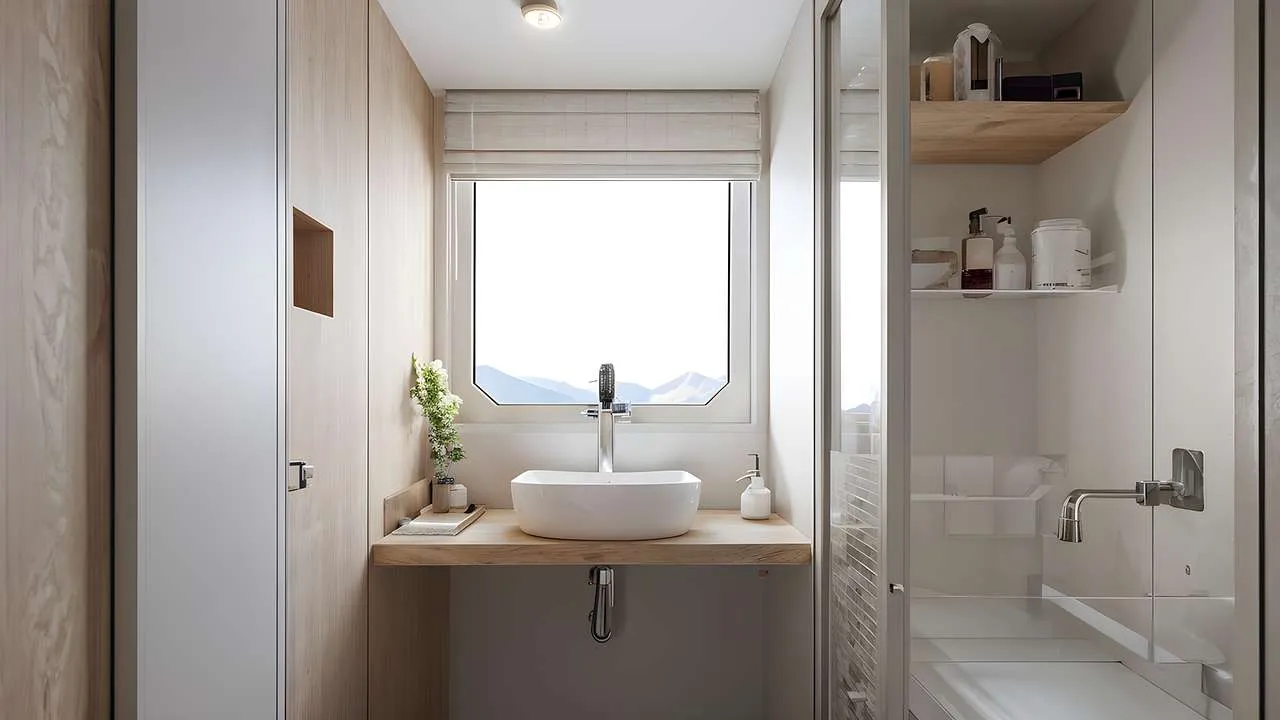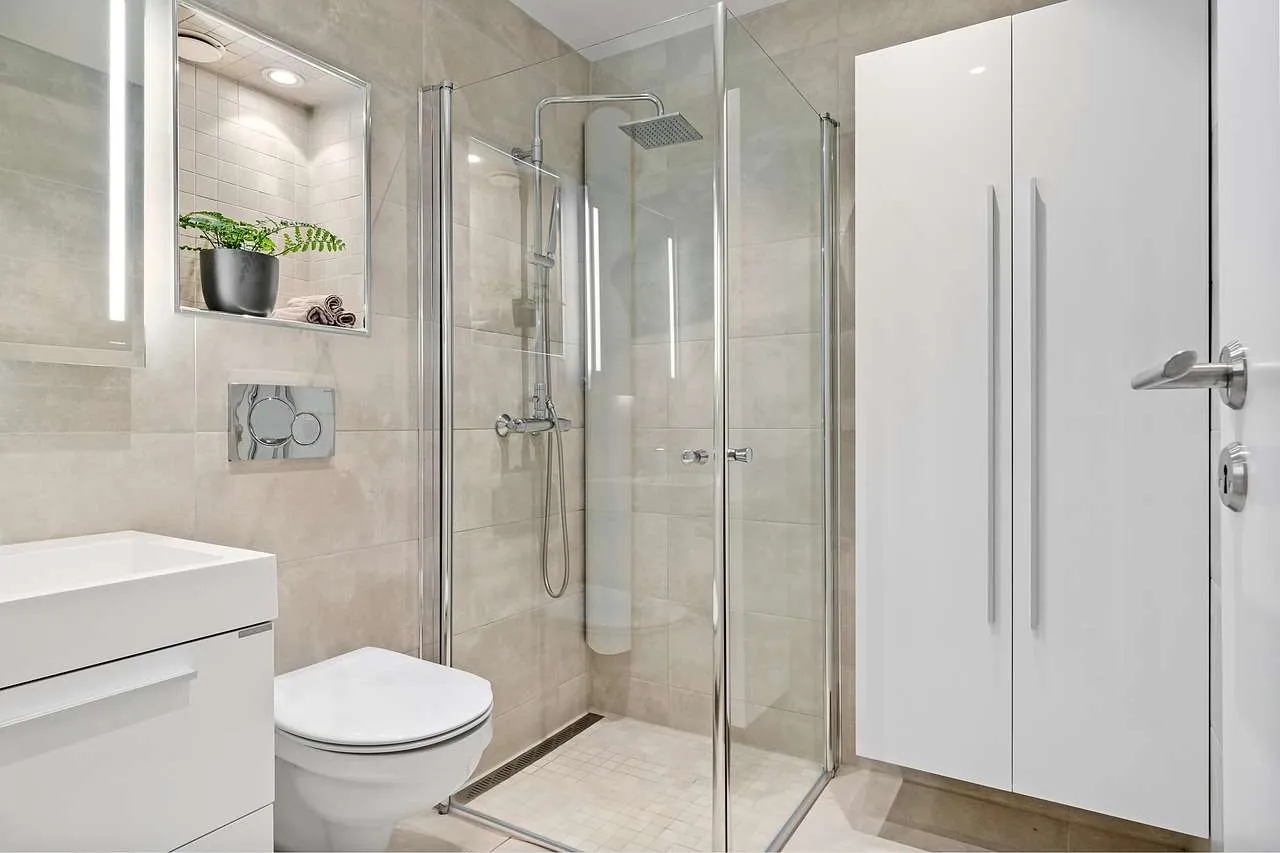
Bathroom decor is the art of turning a functional room into a personal retreat. From color to lighting, every detail should support mood and usability. In this guide we share practical ideas backed by design principles for a bathroom that feels cohesive and inviting.
Key principles for bathroom decor
Color and tone
Start with a color plan that reflects your style and the space. Light neutrals create a spa feel and maximize brightness; rich accents add personality. Use a maximum of two main hues and one or two accent colors to maintain harmony.
Lighting and mirrors
Layered lighting is essential in bathrooms. Combine ambient ceiling light, task lighting near mirrors, and accent lighting to highlight finishes. Consider warm color temperatures between 2700 and 3000 Kelvin for a welcoming glow.
Storage and organization
Well planned storage reduces clutter and supports good hygiene. Choose vanity drawers, recessed shelves, and wall mounted cabinets. Use baskets and trays to corral daily essentials.
Styles and how to choose
Modern minimalist
Clean lines, glossy surfaces, and concealed storage characterize modern minimalist decor. Favor neutral palettes, chrome or matte black fixtures, and high quality materials that stand up to humidity.
Classic and timeless
Timeless tile patterns, natural stone, and sturdy cabinetry create a refined look. Marble veining, subway tiles, and brass accents are go to choices for enduring style.
Coastal and spa inspired
Think light blues, seafoam greens, wicker accents, and natural textures. Wood tones and soft textures evoke a coastal retreat while remaining practical in damp spaces.
Bold patterns and eclectic
If you love personality, mix patterns and colorful fixtures. Use one dominant pattern and keep other elements grounded in neutral finishes to avoid visual overload.
Materials finishes and durability
Choose moisture resistant materials with sealed surfaces. Porcelain tile, ceramic fixtures, quartz countertops, and solid surface sinks resist staining and humidity. Matte or satin finishes reduce water spots and are easier to maintain. Always look for certified low VOC paints for better indoor air quality.
Budgeting and planning
Set a realistic budget by listing must haves versus nice to have items. Prioritize plumbing fixtures, tile, vanity quality, and lighting. Get multiple quotes and ask for material swatches to compare durability and care requirements. Plan for installation time and permit needs when required. For larger projects, consult a licensed contractor or accredited interior designer to ensure code compliance and quality.
Maintenance and care
Regular cleaning and appropriate products extend the life of your decor. Use non abrasive cleaners on polished surfaces, wipe mirrors with a microfiber cloth, and seal grout periodically to prevent discoloration.
Comparison of popular styles
| Style | Mood | Key Elements | Pros | Cons |
|---|---|---|---|---|
| Modern minimalist | Calm, uncluttered | Clean lines, concealed storage, neutral palette | Low maintenance, timeless | Can feel cold if not balanced |
| Classic timeless | Elegant, warm | Subway tiles, natural stone, brass or bronze | High resale value, durable | Higher cost, heavier maintenance |
| Coastal spa | Fresh, airy | Lighter woods, light blues greens, wicker accents | Relaxing vibe, humidity friendly | Sun bleaching risk, requires sealing |
| Bold patterns eclectic | Playful, expressive | Statement tiles, color pops, mixed metals | Personalized and unique | Risk of visual clutter |
Conclusion
Implementing strong color principles, layered lighting, durable materials, and smart storage will elevate your bathroom decor. Align choices with your lifestyle, budget, and climate, and you’ll create a space that feels both stylish and practical.
Summary: By focusing on color harmony, lighting layers, durable surfaces, and smart storage, you can craft a bathroom decor that is beautiful, functional, and enduring. This approach supports EEAT by reflecting practical knowledge, material considerations, maintenance routines, and budget planning.