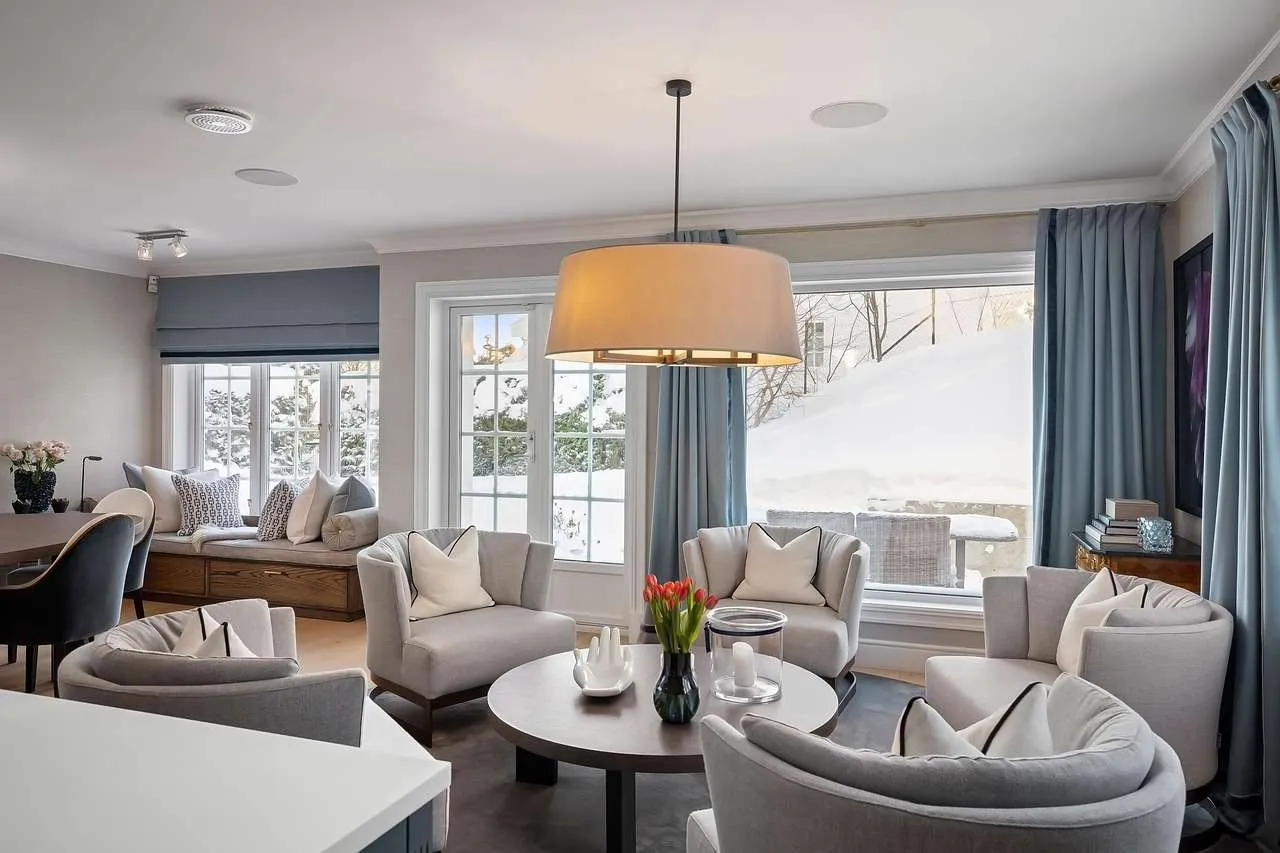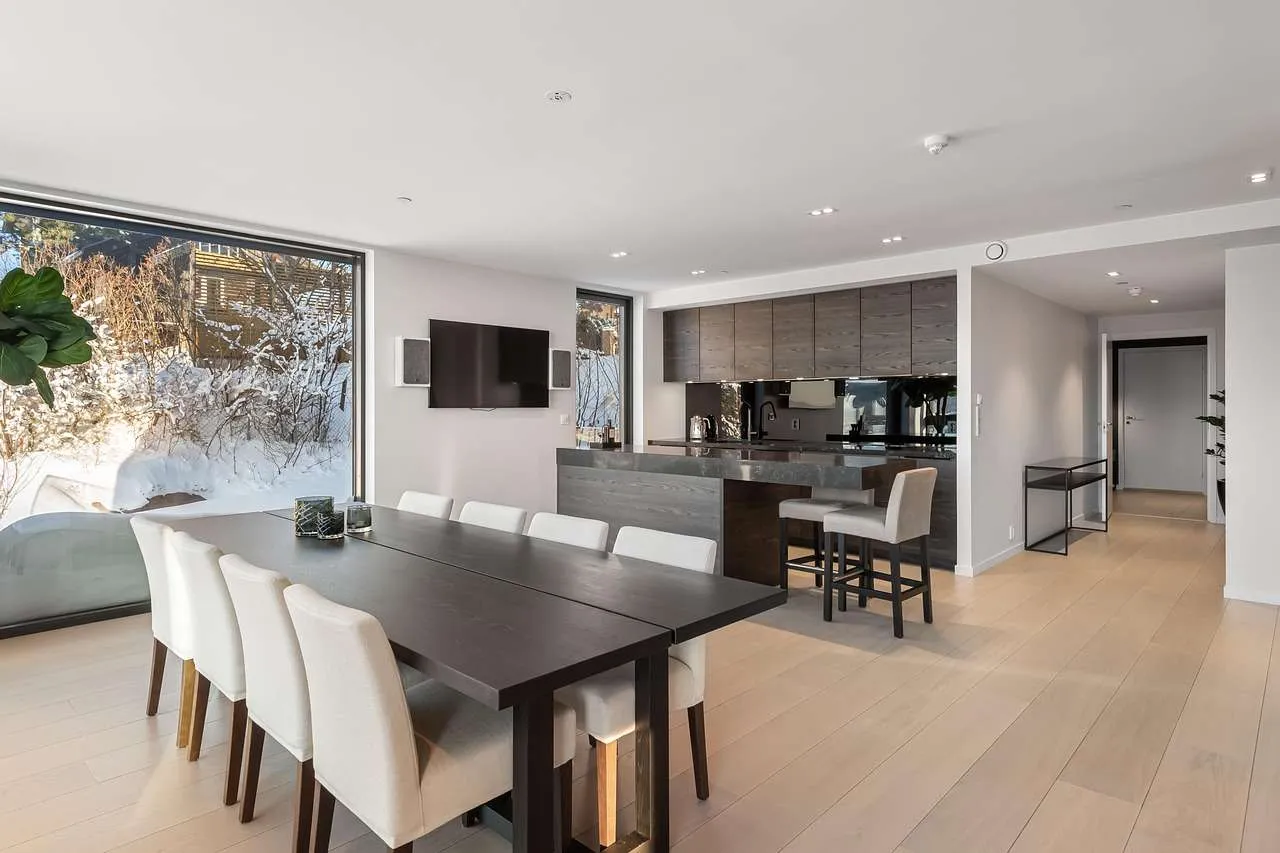
Finding the right home window tinting near me can transform comfort, reduce energy bills, and protect your interior. This guide explains how to evaluate local installers, what tint options fit residential needs, and how EEAT principles—expertise, experience, authority, and trust—apply to your project. Whether you’re upgrading a single room or tinting an entire house, the right local pro can deliver durable results that last for years.
Why you look for a local option
Choosing a nearby window tinting service matters for speed, accountability, and ongoing support. Local providers can offer on-site assessments, faster scheduling, and in-person follow-ups if issues arise. When researching, prioritize businesses with licensed technicians, clear warranties, and strong customer reviews. A company that has operated in your community for several years is typically more reliable than a flyer-only startup. Ask about job certifications, such as IWFA membership, manufacturer training, and installation best practices.
What to look for in a reputable local installer
- Licensed and insured crew with documented experience in residential films.
- Transparent pricing, including line-item costs for film, prep, and labor.
- Evidence of quality control, such as pre- and post-installation measurements and a warranty for film and workmanship.
- Portfolio or room-by-room references showing consistent results in homes similar to yours.
- Clear guidance on local regulations, egress requirements, and privacy needs.
- Long-term support, including inspection intervals and replacement options if the film degrades or fades.
Tint options and their benefits
Residential window films come in several families, each with trade-offs in UV protection, heat rejection, glare control, and price. Below is a concise overview to help you compare options with your installer:
Dyed films
Low to mid price, good color options, and decent glare reduction. UV protection is solid, but dye can fade or fade unevenly over time, potentially requiring earlier replacement.
Metalized films
Excellent heat rejection and glare control, with strong privacy. However, metal layers can interfere with electronic signals in some cases and may show a reflective appearance from the outside at certain times of day.
Carbon films
Balanced performance with better color stability than dyed films. Strong heat rejection and UV protection, with a non-reflective finish that preserves exterior visibility.
Ceramic / Nano-ceramic films
Top-tier performance: superior UV rejection, heat reduction, and glare control, plus non-metallic composition that avoids signal interference. Highest price among common options but long-lasting with minimal fade.
Installation process and timeline
A typical residential tinting project follows these steps: initial evaluation, measurement, and film selection; surface preparation (cleaning and removing old films if needed); precise film cutting and installation using squeegees and heat tools; edge sealing and curing; final inspection and warranty documentation. Most homes take 2–6 hours per house, depending on window size, number of panes, and film type. A reputable installer will protect your surroundings, cover floors and furniture, and test for bubbles or wrinkles before finishing.
Cost considerations and value
Costs vary with film type, window size, and labor. Dyed films tend to be the least expensive option, while ceramic or nano-ceramic films cost more upfront but deliver greater long-term energy savings and durability. When evaluating ROI, consider reduced cooling load, glare relief for living spaces, enhanced UV protection for furnishings, and potential improvements in comfort and resale value. Always review warranties for both film and installation—many reputable providers offer 10–15 year or lifetime guarantees on performance and adhesion.
Comparison of common tint types
| Type | UV Rejection | Heat Rejection | Glare Reduction | Privacy | Price Range | Notes |
|---|---|---|---|---|---|---|
| Dyed | High | Medium | Medium | Low–Medium | Low | Warm tint; fades with sun exposure; budget-friendly |
| Metalized | High | High | High | High | Medium–High | Potential signal interference; strong performance |
| Carbon | High | High | High | Medium–High | Medium | Color-stable; good balance of cost and performance |
| Ceramic / Nano-Ceramic | Very High | Very High | Very High | High | High | Best performance; non-metallic; no signal interference |
What to ask during a quote
When requesting quotes, bring photos of your windows and ask for: film type recommendations for each room, expected visible light transmission (VLT) range, warranty terms, cure times, and whether the price includes edge sealing and cleaning. Request written estimates with a breakdown of materials, labor, and any potential add-ons. A transparent, detail-rich quote is a strong indicator of an experienced, customer-focused local installer.
Maintenance and durability
To extend film life, clean with non-abrasive, non-ammonia cleaners and soft cloths. Avoid aggressive scrubbing, which can lift edges or cause micro-scratches. Most films are designed to resist fading and cracking for decades when properly installed and maintained. If you notice peeling or delamination, contact your installer promptly for inspection under warranty.
Conclusion
Conclusion, choosing the right home window tinting near me means balancing upfront cost, long-term energy savings, and interior comfort. Rely on a local, licensed installer with proven references, clear warranties, and a transparent process. Select a tint type that aligns with your goals—whether maximum heat rejection, non-reflective appearance, or the best balance of performance and price—and follow proper maintenance to protect your investment for years to come.