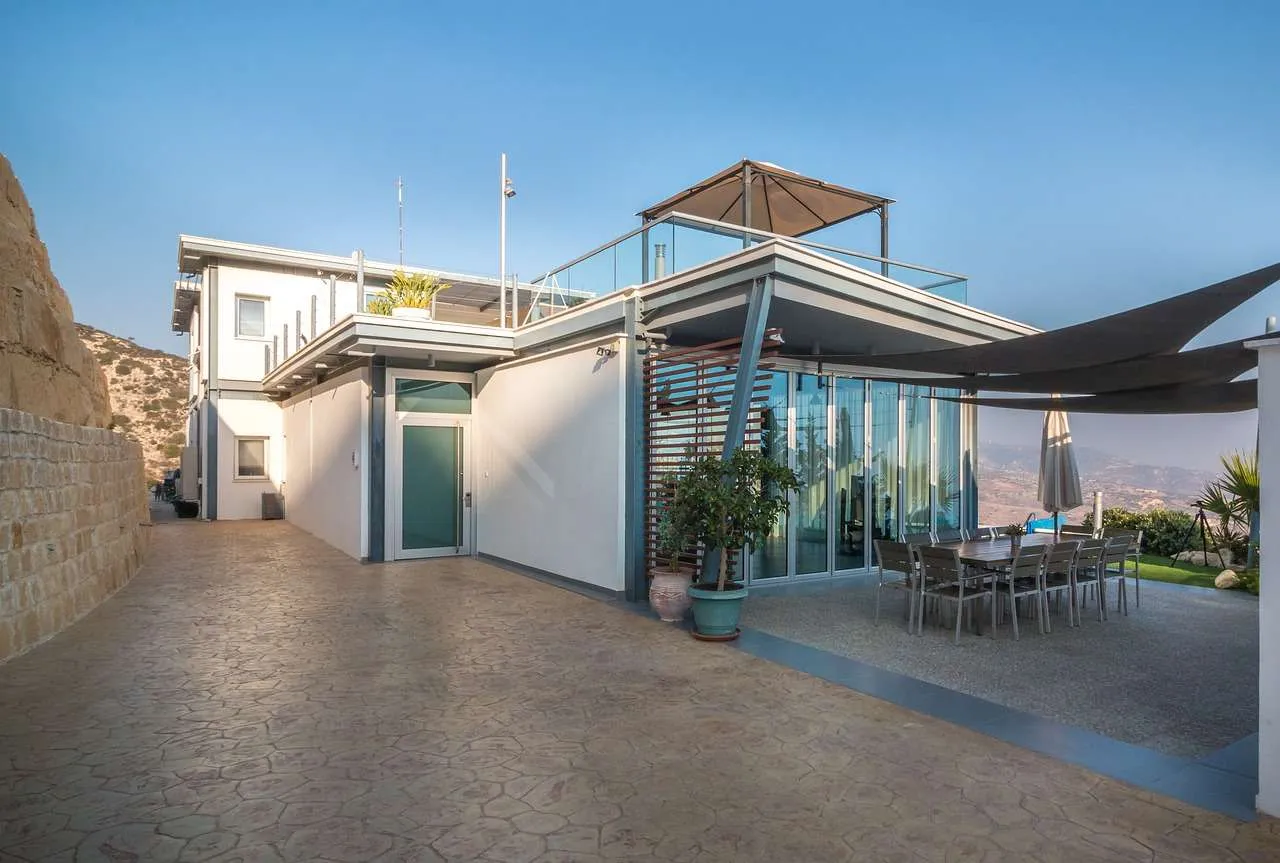
Flat roofs are common on commercial buildings and in modern residential designs. Among single-ply membranes, tpo roofing stands out for its balance of performance, affordability, and energy efficiency. In this guide, a roofing professional with years of field experience shares practical insights on what tpo roofing is, how it is installed, its advantages and limits, and how to choose the right system and contractor for long-term value.
What is TPO Roofing?
TPO stands for thermoplastic polyolefin, a flexible, heat-weldable membrane typically produced in white or light gray to maximize solar reflectivity. It is commonly installed as a single-ply membrane over a prepared substrate, either by fully adhered, mechanically fastened, or ballast methods. A scrim-reinforced layer provides strength, while the top surface reflects sunlight and resists UV degradation. TPO roofs are popular on commercial flat or low-slope roofs and are increasingly used in residential applications where a low-slope option is desired.
Benefits of TPO Roofing
- Energy efficiency: the bright, reflective surface reduces cooling loads and can lower energy bills, especially in hot climates.
- Cost-effectiveness: generally less expensive than PVC while offering comparable durability and repairs.
- Seam strength and longevity: heat-welded seams create continuous, watertight joints when installed by trained crews.
- Flexibility and repairability: can accommodate building movement and is relatively easy to patch.
- Environmental considerations: many TPO products are designed for low embodied energy and are recyclable at end of life.
Drawbacks and Considerations
Not all TPO systems perform the same. Poor installation can lead to seam failures, especially in extreme temperatures or with improper heat-welding technique. The color options are typically limited to white and light gray, which may require more maintenance to keep stylish. Some early deployments experienced adhesive or field seam issues; modern manufacturing and better installer training have mitigated many of these concerns. As with any roof, substrate quality, proper drainage, and regular inspections are critical to life expectancy.
Installation and Maintenance
The installation process hinges on substrate condition, topping, and seam welding. A licensed roofer will assess insulation, vapor barriers, and drainage, then choose either fully adhered, mechanically fastened, or ballast methods. Regular maintenance includes clearing debris from drains, inspecting flashings and edges, and visually examining seams for signs of uplift, cracking, or discoloration. Cleaning of the reflective surface helps sustain its efficiency, and prompt patching of any damage can prevent leaks.
Cost, Lifespan, and Warranties
Costs vary by thickness, reinforcement, building size, and location, but TPO generally offers a favorable price point among single-ply membranes. Typical lifespans range from 15 to 25 years under standard conditions, with higher-end systems reaching 25–30 years with proper maintenance. Warranties often cover material defects and workmanship for 10–20 years, with some manufacturers offering extended terms if installed by certified contractors. When evaluating bids, ask about transferable warranties, post-installation inspections, and the warranty’s coverage for labor and membrane defects.
Comparisons: TPO vs Other Flat Roof Membranes
| Membrane | Typical Color | Durability | Reflectivity | Cost | Best For |
|---|---|---|---|---|---|
| TPO | White/light gray | Good; good seam welds | High | Moderate | Commercial flat roofs, energy savings |
| EPDM | Black or white | Excellent; long track record | Moderate (white variant available) | Lower | Long-lasting, simple repairs |
| PVC | White | Excellent; strong performance | High | Higher | High-traffic roofs; chemical resistance |
Choosing the Right TPO System and Contractor
Key decisions occur before installation. Choose a thickness—40 mil is common for many projects, while 60 mil offers additional puncture resistance in harsh climates. Polyester or fiberglass reinforcement affects strength and impact resistance. Verify that the contractor uses approved heat-welding equipment, provides a written warranty, and references recent projects similar in size and climate. Request documentation of factory-trained crews and a clear, site-specific maintenance plan. Finally, compare multiple quotes to ensure consistent seam quality and long-term support.
FAQ
Q: Is TPO suitable for residential homes with flat or low-slope roofs? A: Yes, many homes with flat or slightly pitched roofs employ TPO or other single-ply membranes, but consult a local roofer to evaluate substrate and climate.
Q: Can TPO be repaired after damage? A: Minor punctures or seam issues can be patched or re-sealed without replacing the entire roof if caught early.
Conclusion, TPO roofing offers a balanced combination of energy efficiency, cost, and repairability for flat or low-slope roofs when installed by skilled professionals. By understanding the system, evaluating warranties, and choosing a reputable contractor, building owners can achieve durable performance with good long-term value.